Transport 5 min read
Korea Taxi Apps and Seoul Fares: Uber, Kakao T and k.ride
Choose a taxi app, separate app payment from paying the driver, check Seoul's meter and night charges, and keep the right evidence if a fare looks wrong.
Know what you are comparing
Use Seoul food and taxi price references, check the full purchase price, and keep useful evidence if a charge needs explaining.
Check the unit, the location and the extras before deciding whether a price is reasonable. A menu price for one roll, a barbecue price per 100 grams and a taxi’s starting meter amount describe different purchases. The references below help you prepare questions before paying.
Sources checked September 9, 2026. The food survey covers July 2026, the latest month displayed when checked. These are Seoul references; do not use them as a national price list.
| Item | Survey reference, July 2026 | What the unit includes |
|---|---|---|
| Gimbap (김밥) | KRW 3,869 | One roll |
| Kimchi-jjigae set meal (김치찌개백반) | KRW 8,654 | One regular serving |
| Bibimbap (비빔밥) | KRW 11,769 | One regular serving |
| Kalguksu (칼국수) | KRW 10,038 | One regular serving |
Source: Korea Consumer Agency’s Chamgagyeok dining-price table, with 2026 / 07 selected, Seoul row. The service publishes official regional survey data and warns that figures are provisional. Surveyed shops or products may change, and quality may differ between regions and periods.
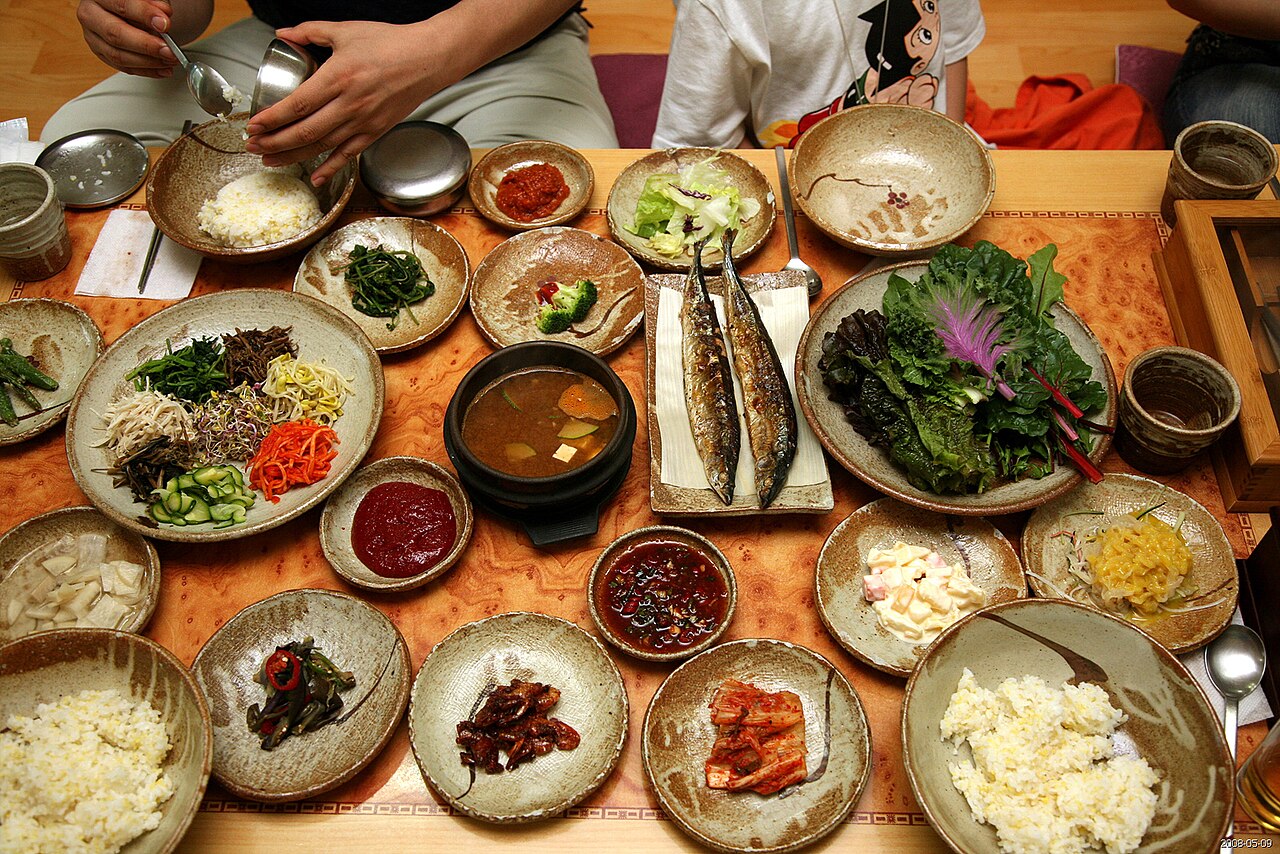
Use these survey figures as budgeting references, rather than quotations from a particular restaurant or maximum acceptable prices. Tourist locations, larger portions and premium ingredients can cost more. Read the actual menu and check minimum orders; the food-ordering guide explains the steps.
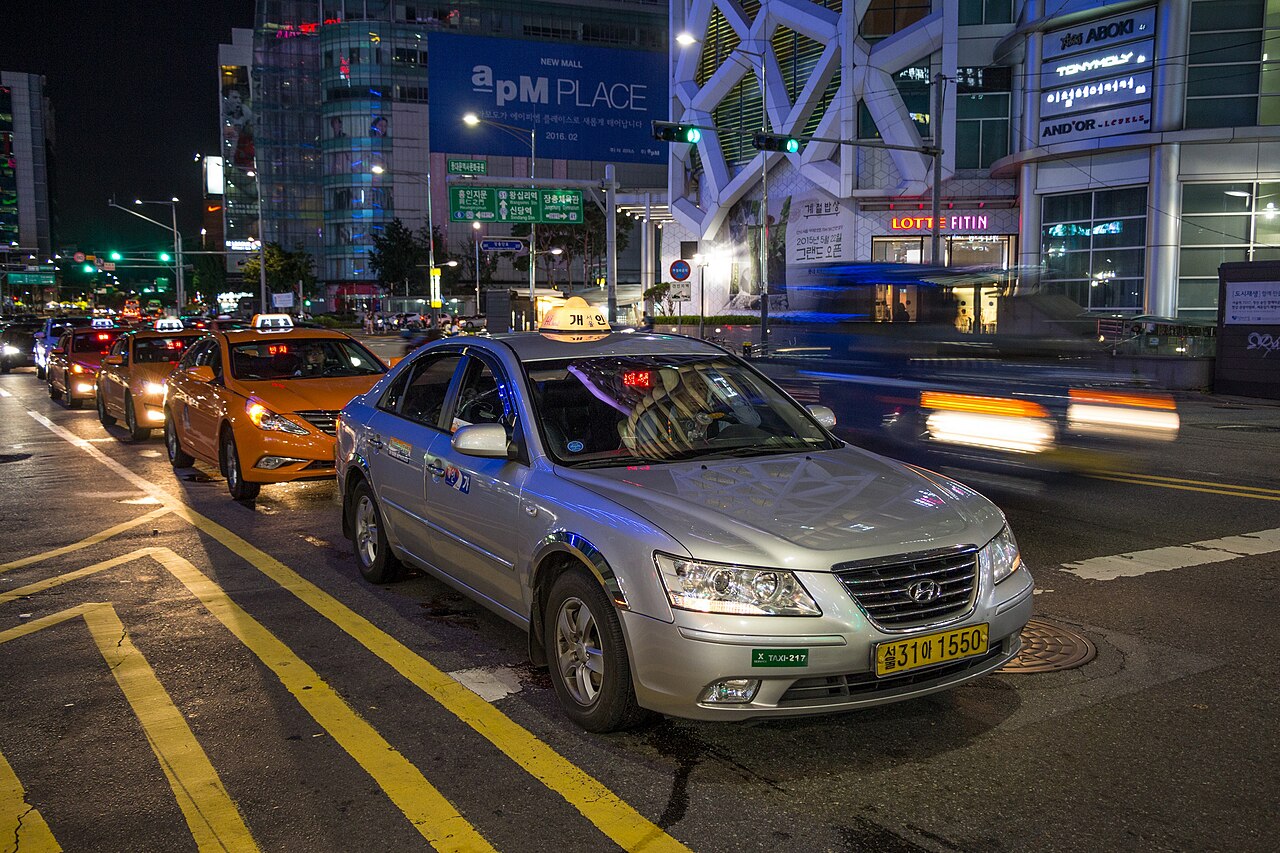
A standard Seoul sedan taxi starts at KRW 4,800 for the first 1.6 km during 04:00–22:00. The published nighttime base is KRW 5,800 at 22:00–23:00 and 02:00–04:00, or KRW 6,700 at 23:00–02:00. These are the city’s listed rates checked September 9; distance, time, applicable tolls and service charges affect the full bill. Seoul’s official taxi fare table
Enter your real journey into an app for a current estimate. Compare the selected vehicle and app fees as well as the meter; the base fare does not estimate an airport transfer. See the taxi-app and fare guide for payment, surcharges and receipts.
Ask for an itemised receipt and compare it with the displayed price or booking confirmation. Keep the shop or vehicle details, date, time and payment record. A price above a survey figure does not establish wrongdoing; an unexplained extra charge is something to clarify with the seller or booking platform.
For travel interpretation and tourist-complaint assistance, use 1330 in Korea or the Korea Tourism Organization’s online call and chat routes. The taxi guide below includes Seoul’s reporting channel and the trip details to retain.
Choose a taxi app, separate app payment from paying the driver, check Seoul's meter and night charges, and keep the right evidence if a fare looks wrong.
Read serving sizes and minimum orders, identify the ordering system, find water and utensils, and confirm how to pay at Korean restaurants.
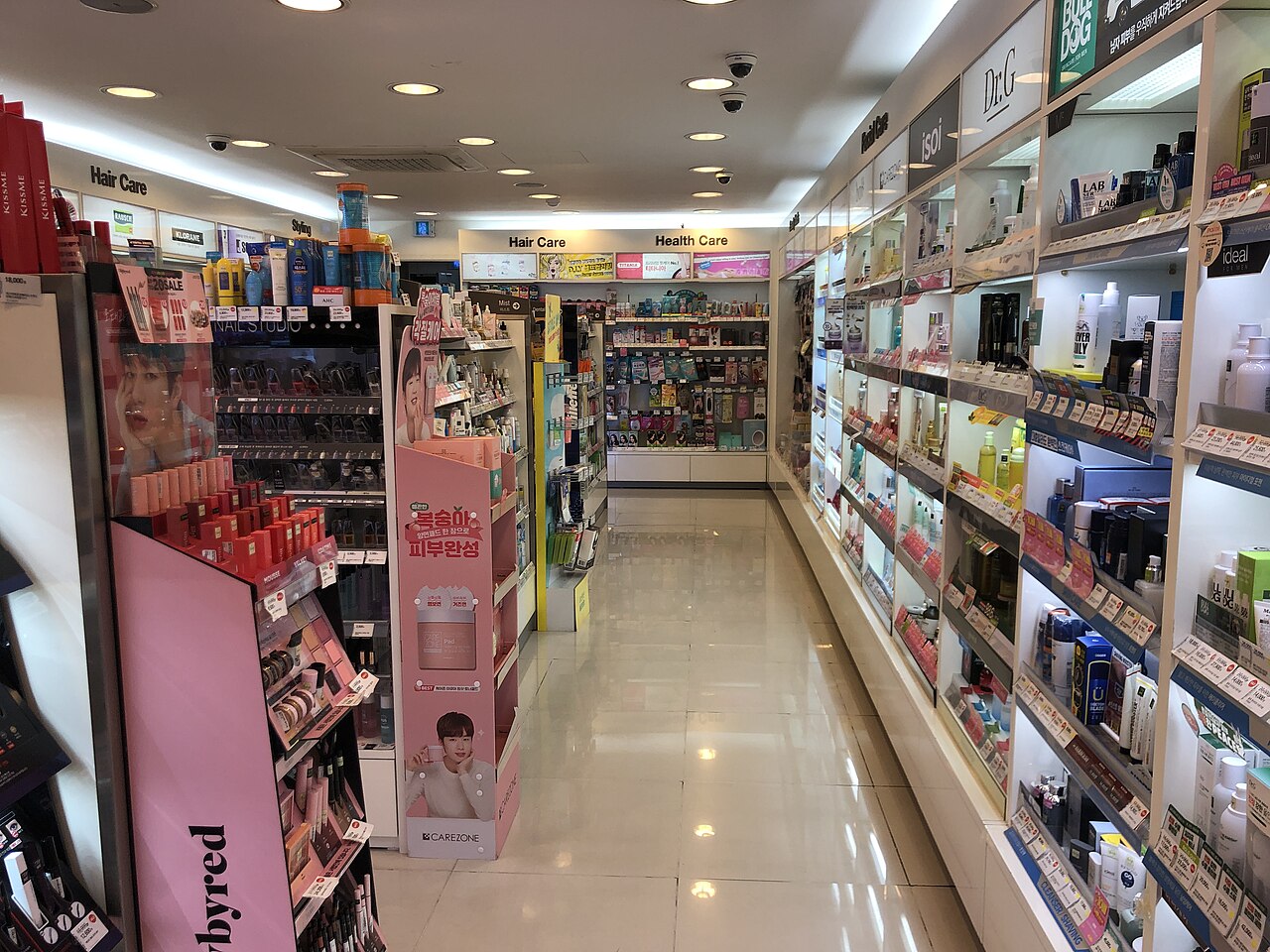
Distinguish Myeongdong's Olive Young stores, understand membership prices, read Korean cosmetic labels, and prepare purchases for your flight home.
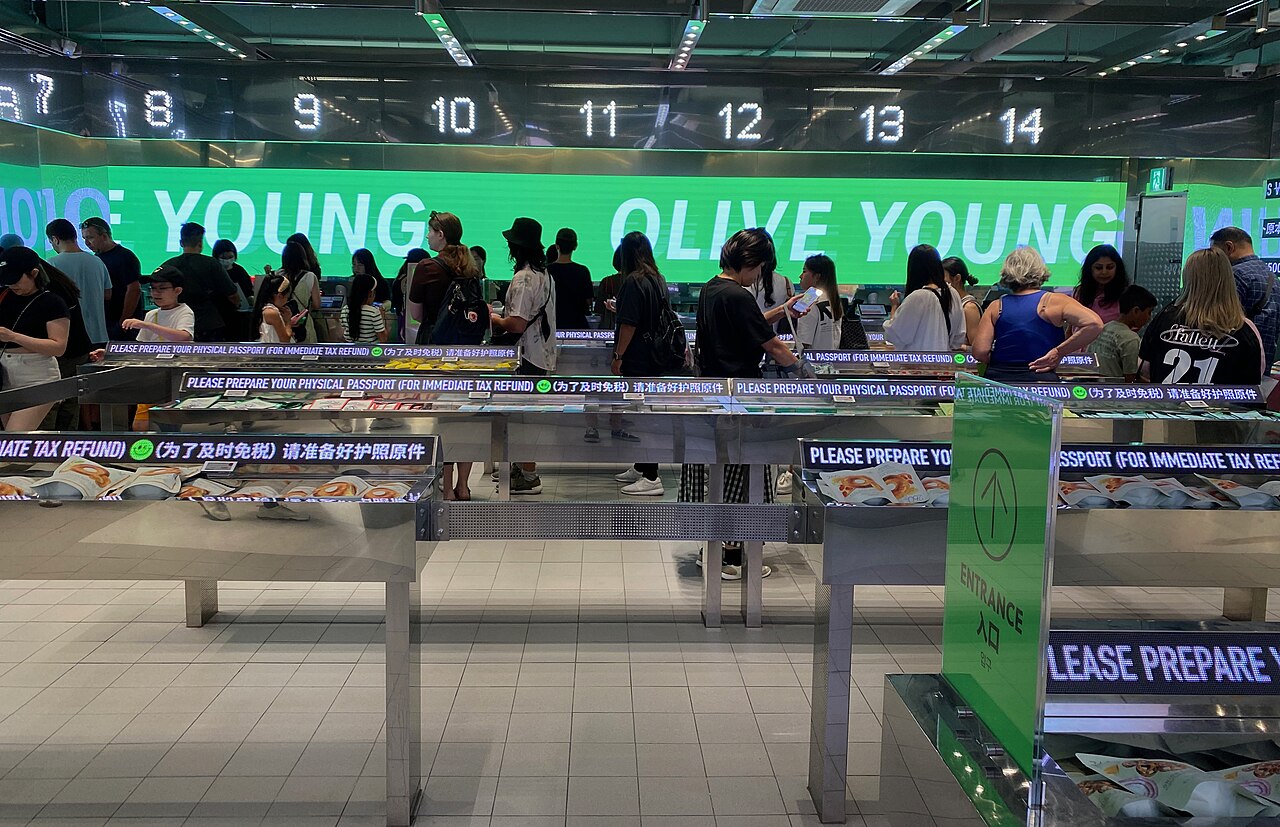
Identify your refund route before shopping or departure, with current purchase limits, receipt checks, and the next step for each situation.
The trip checklist links each preparation task to the guide that helps you do it.